Key Stage 3 Subject Offer
Science for students in years 7 and 8
The science knowledge gained at KS3 lays the foundation for understanding the core sciences: Chemistry, Biology, and Physics. The GCSE content, which students will study in Years 9-11, builds upon the knowledge acquired during KS3, so it is important to establish a solid and accurate understanding of each science from the start.
Online lessons in Chemistry, Biology and Physics
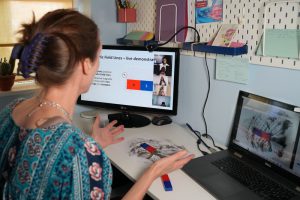
Chemistry, Biology and Physics all explore aspects of the world around us, but the approach and focus of each science are distinct. Lessons cover content from the National Curriculum and are one-hour in length. This includes 55 minutes instruction and 5 minutes to join and register. Students have enough time to properly grasp and practice the core content from each subject.
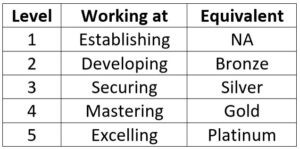
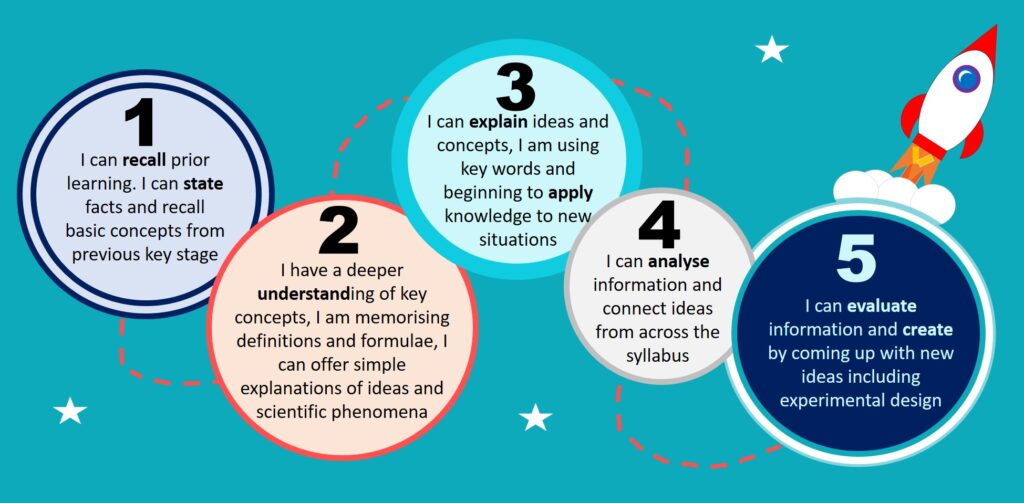
I monitor and support student progress using a five-level framework (below). This helps students improve as they acquire new knowledge, connect it with what they’ve already learnt, and apply it in new ways to unfamiliar contexts.
Track your progress - five-level learning framework
With this structured approach, students don’t just prepare for exams — they develop the confidence and curiosity to think like scientists.
KS3 Subject Content
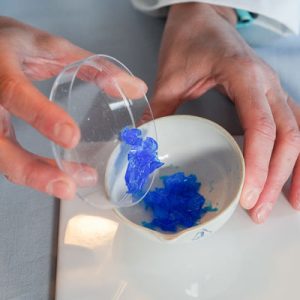
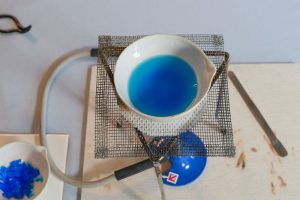
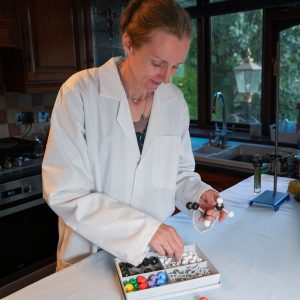
Chemistry
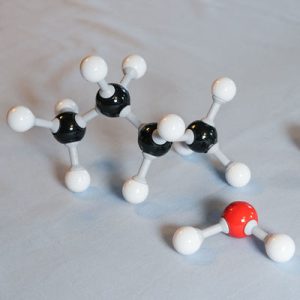
- Particle Model & States of Matter – How everything is made of tiny particles, how matter changes (solid, liquid, gas), and processes like melting, freezing, boiling, and how particles move (diffusion, gas pressure).
- Elements, Atoms & Compounds – What elements, atoms, and compounds are, how chemical reactions happen, and how we write chemical formulas and word equations.
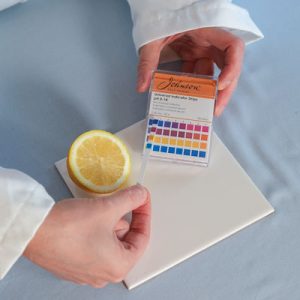
- Acids & Reactions – What acids and alkalis are, how we measure their strength (pH), how acids react with metals, oxygen, and water, and how neutralisation works.
- Metals & Non-metals – Differences between metals and non-metals, elements in different groups (Group 1, Group 2, Group 7, Group 0), and how we get metals from ores.
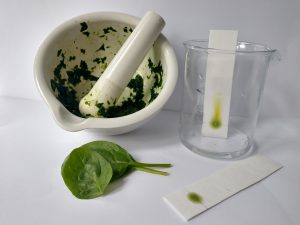
- Mixtures & Separation – How mixtures and solutions work, how things dissolve, and methods like filtration, evaporation, distillation, and chromatography to separate substances.
- Materials – Different types of materials, like ceramics (hard, non-metallic), polymers (plastics), and composites (materials made from two or more substances).
- The Earth & Environment – The Earth and atmosphere, types of rocks (sedimentary, igneous, and metamorphic), the carbon cycle, climate change, and recycling.
Biology
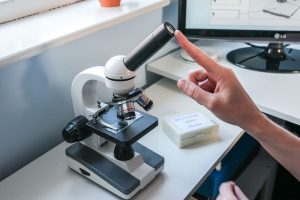
- Cell Structure & Functions – How cells look and work, differences between plant and animal cells, special cells that do different jobs, and tiny living things made of just one cell.
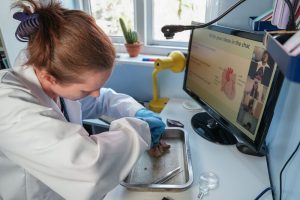
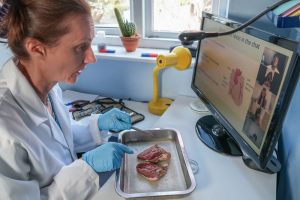
- Human Body & How It Works – How our body takes in oxygen and gets rid of waste, how we breathe, the bones and joints in our body, how muscles help us move, the digestive system, and how bacteria and enzymes help with digestion.
- Reproduction & Growth – How humans and plants reproduce, how babies grow inside the body, the menstrual cycle, changes during adolescence, how plants make food through photosynthesis, and how we use energy in our body (aerobic and anaerobic respiration).
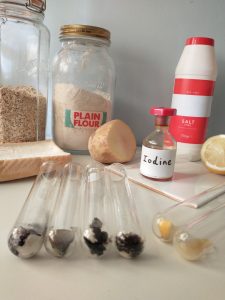
- Nutrition & Health – What our bodies need from food (nutrients), how we test food, the dangers of an unhealthy diet, and the effects of drugs, alcohol, and smoking.
- Ecology & Environment – How plants and animals depend on each other (food chains/webs), what happens when ecosystems are disturbed, how animals compete and adapt to survive, and how plants use minerals.
- Genetics & Evolution – How living things are different from each other, how traits are passed down from parents, how natural selection helps animals survive, and how species can go extinct.
Physics
- Forces & Motion – How forces work, things that stretch or squash, drag and friction, forces that can push or pull from a distance, and when forces are balanced or not.
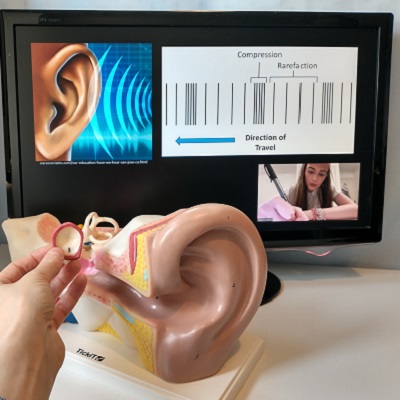
- Waves & Sound – How waves and sound travel, how energy moves, loudness and pitch, how we detect sound, echoes, and how ultrasound works.
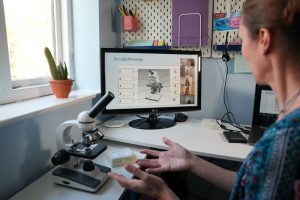
- Light & Optics – How light travels, how it bounces off things (reflection), bends (refraction), and how our eyes and cameras help us see.
- Space & Gravity – How the seasons happen, the planets and their moons, and how gravity keeps everything in place.
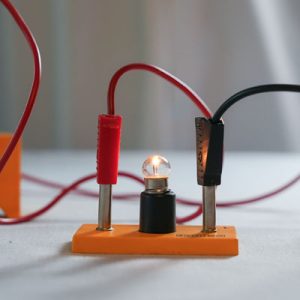
- Electricity & Circuits – How electric circuits work, different ways to set them up (series and parallel), and how electricity moves through them.
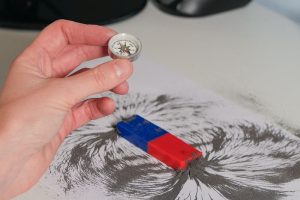
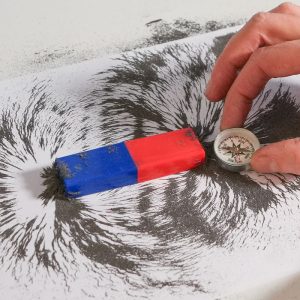
- Magnetism & Springs – How magnets work and how springs can stretch or compress.
- Energy – What energy is, how work gets done, and how energy moves around from one place to another.